
Add Row
Add Element
cropper
update
ads
update
Add Element
  • Home
  • Categories
    • Massage Therapy
    • Guided Imagery
    • Chiropractic
    • Yoga
    • Herbalism
    • Wellness & Beauty
    • Aromatherapy
    • Acupuncture
    • Homeopathy
    • Naturopathy
    • Energy Healing
October 14.2025
2 Minutes Read

Discover the Power of Adaptogens and Nervines for Stress Relief

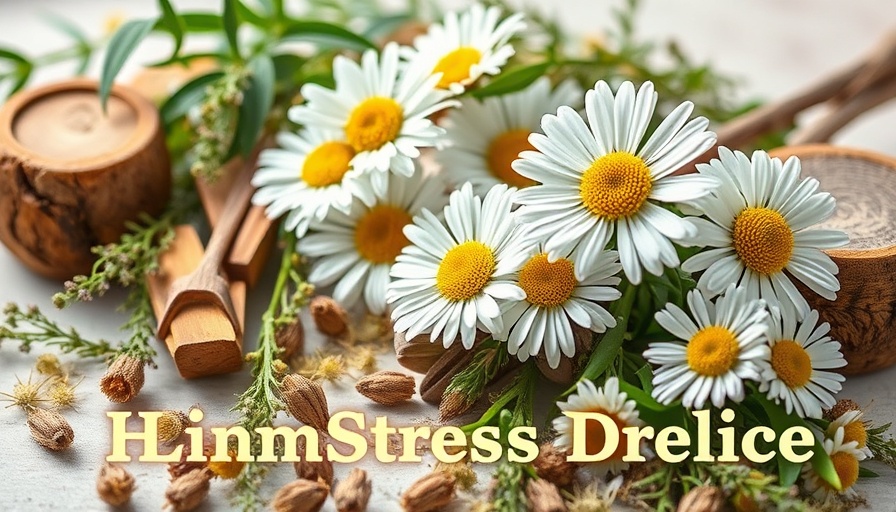
Adaptogens and nervines herbs for stress support, calming image.

Understanding Adaptogens and Nervines: Nature’s Stress Relievers

In the hustle and bustle of modern life, it’s easy to feel overwhelmed by stress and anxiety. Fortunately, nature offers a solution through adaptogens and nervines—two categories of herbs that can support our mental well-being and bolster our resilience to life's challenges. This article will explore how these botanical wonders can contribute to improved mental health, particularly in a world that often feels chaotic.

What Are Adaptogens and Nervines?

Adaptogens are herbs that enhance the body’s ability to cope with stress by promoting balance and stabilization of physiological functions. Think of them as your body’s supportive allies, providing a robust line of defense against stressors. On the other hand, nervines directly nurture and calm the nervous system, helping to restore a sense of peace and tranquility. Together, these herbal companions serve as essential tools for anyone seeking natural ways to alleviate anxiety and maintain emotional stability.

The Benefits of Key Adaptogens and Nervines

Here are several prominent adaptogens and nervines that have been trusted for generations:

  • Tulsi (Holy Basil): Known for its uplifting properties, Tulsi is cherished in Ayurvedic medicine for helping to regulate stress hormones and brighten the mood.
  • Ashwagandha: Recognized for its powerful adaptogenic qualities, Ashwagandha helps reduce cortisol levels, aiding stress relief while supporting both the immune system and restful sleep.
  • Linden: This lovely herb gently calms anxiety and emotional tension, promoting relaxation and comfort during stressful moments.
  • Milky Oats: A restorative nervine, Milky Oats nourishes frazzled nerves, particularly those who have experienced long-term stress or burnout.

How to Integrate These Herbs into Your Life

Integrating adaptogens and nervines into your daily routine is an effective way to work toward a more balanced life. Here are practical tips for their use:

  • Teas: Sipping herbal teas made with Tulsi, Ashwagandha, or Linden can create a soothing ritual at any time of the day.
  • Tinctures: Consider tinctures for a concentrated form of these herbs, especially useful for on-the-go stress relief.
  • Capsules: If taste is a barrier, capsules of powdered herbs like Milky Oats can provide an easy, standardized dose.

Considering Professional Guidance

While the benefits of adaptogens and nervines are increasingly recognized, it's always wise to consult with a healthcare professional, especially if you are considering using herbal remedies alongside other medications. Individual responses can vary, and understanding any potential interactions is crucial for safe incorporation.

Conclusion: Your Path to Holistic Healing

Exploring the world of herbal remedies can open up possibilities for enhanced well-being. By understanding the unique properties of adaptogens and nervines, you empower yourself on the journey toward stress resilience and emotional balance. Remember, natural remedies can be a valuable addition to a holistic self-care practice, but they should complement, not replace, professional advice and treatment.

Join the herbal medicine planning party and discover more about how to harness the power of herbs in your life!

Herbalism

4 Views

0 Comments

Write A Comment

*
*
Related Posts All Posts
11.26.2025

Overcoming Imposter Syndrome in Herbalism: Action as Identity

Update Understanding Imposter Syndrome in Herbalism Have you ever found yourself questioning your qualifications as an herbalist? Thoughts like, "Who am I to guide someone else with plant medicine?" and "Do I know enough to teach this?" are common but can be debilitating. This struggle is known as imposter syndrome, and it often plagues those of us committed to the craft of herbalism. As someone who has devoted years to studying and practicing herbal medicine, I can attest to the challenges of feeling 'Herbalist Enough.' However, it's crucial to reassess what this feeling means and where it arises from. Turning Doubt Into Action: The 'Herbalist is a Verb' Perspective According to proponents of active herbalism, being an herbalist is more about what you do than the title you hold. If you embrace herbalism as a living practice, the label of 'herbalist' becomes a verb. Engaging regularly with plants—the process of herbalism itself—can mitigate feelings of inadequacy. For instance, preparing herbal teas or experimenting with tinctures can provide tangible evidence of your actions, countering self-doubt with real experiences. From Learning to Teaching: Empowering Yourself and Others An essential aspect of overcoming this syndrome involves recognizing that your journey is unique and worthy of sharing. Students in herbalism often express newfound confidence through your guidance, which is proof that your experiences resonate. Take heart in the fact that once you acknowledge your journey and knowledge, you can effectively empower others, shifting your perception from an imposter to a community herbalist. The Lifelong Journey of Learning Herbalism is indeed a lifelong journey, filled with continual learning. This complexity can heighten feelings of inadequacy; after all, there's always more to explore and understand. Yet, understanding that mastery is elusive can be liberating. Feedback from your community can highlight the contributions you are making to the collective knowledge of herbalism, reminding you that you're not alone in this journey. Practical Tips to Combat Imposter Syndrome 1. **Document Your Journey**: Keep notes on your experiences with various herbs, how you've used them, and their effects. This can provide valuable insights and boost confidence. 2. **Connect with Others**: Join discussions with fellow herbalists. Sharing experiences helps normalize feelings of inadequacy. 3. **Celebrate Small Wins**: Reflect on your progress, no matter how small. These milestones are essential reminders of what you have accomplished. Conclusion: Embrace Your Herbal Journey Imposter syndrome may always lurk in the corners of the mind, but by shifting the narrative from feeling like an imposter to being an active participant in herbalism, you reclaim your space in this community. Embrace the notion that being a herbalist is a continual process—a journey marked by collaboration, learning, and above all, action. So go ahead, share your journey with the world, and remember: you are enough just as you are.

11.02.2025

Community Herbalism: Empowering Neighbors Through Plant Medicine

Update The Healing Power of Community HerbalismIn a time when healthcare costs are soaring and food insecurity feels all too real, communities face unprecedented challenges. Yet, within this turmoil lies an opportunity for herbalists to step in and make lasting impacts. Community herbalism empowers not only individuals but also fosters connection and healing that can bind our neighborhoods together.Building Resilient CommunitiesHerbalism is more than just a craft; it’s a lifeline. The traditional role of herbalists as healers has always included providing essentials without the constraints of commercial gain. As highlighted in recent discussions, movements like mutual aid are flourishing, reminding us that true support goes beyond mere charity. It’s an invitation to form bonds and support local health collectively. For example, sharing calming herbal teas during community events can create emotional refuge amidst societal stress.Empowering Through KnowledgeCommunity herbalism thrives on education. Hosting workshops on topics such as fire cider or herbal gift-making not only disseminates vital knowledge but also invites participation—each session is an opportunity for solidarity and skills sharing. Collaborating with local organizations to host these events opens doors to a broader audience who can benefit from the healing powers of plants.Herbal Justice in ActionAs documented by herbal advocates, the concept of "herbal justice" embodies not just the provision of herbal remedies but integrates social justice and environmental accountability. By engaging in community-supported herbalism, practitioners can address inequities in health access and empower marginalized communities. This is about reclaiming the right to heal—not just for individuals but for the community at large.Taking Action Through Herbal First AidPractical community outreach can take the form of herbal first aid kits or care packages for those in crisis, thereby directly addressing needs in times of urgency. With simple tools and nurturing heart, local herbalists can act as essential nodes of support for their neighborhoods. Creating herbal care kits for families facing hardships is a proactive way to demonstrate community solidarity.Legacy of CareThe lineage of herbalists traces back to wise women and healers who understood that true healing arises from relationships. By sharing our resources—whether it’s knowledge, herbs, or compassion—we continue a legacy that asserts communal well-being matters. We hold the power to heal together, reinforcing the importance of being present for one another.Conclusion: Be the ChangeNow is the time to embrace the principles of community herbalism, to learn, share, and act. Consider how you can contribute to your local ecosystem of care, whether through education, direct assistance, or simply a comforting cup of tea. Every small act of kindness creates ripples that nourish both individuals and communities.

07.15.2025

Explore the Herbalism Journey: How to Raise Kids with Natural Remedies

Update A Journey into Herbalism: Nurturing a Family with Nature's WisdomImagine having a home where the healing powers of plants are woven into everyday life. Brittany Williams, a clinical herbalist and mother, embodies this vision. Through her expertise at Eudemonia Herbs, she empowers families to embrace herbalism—a journey she has passionately embarked upon for nearly three decades. In her recent discussion on The Herbalist's Path, she illuminates how this magical world of plants can foster both familial bonds and robust health.Empowering Children with Natural RemediesBrittany’s children grew accustomed to remedies like comforting chamomile tea and revitalizing elderberry syrup, learning to understand their bodies in a way that builds resilience and health awareness. Instead of reaching for over-the-counter medications, how about allowing our children to manage minor ailments with nature's gifts? This empowers them, giving them ownership of their well-being while nurturing an early appreciation for holistic healing.The Role of Intuition in HealingBrittany underscores the importance of intuition in herbal medicine. She believes our bodies are finely tuned to signal what they need. This inherent wisdom can be nurtured in our children, creating a health-conscious mindset that fosters physical and emotional well-being. By listening to their bodies, children can discern the natural remedies that resonate with them.Advocacy in Modern HealthcareNavigating the often-complex healthcare landscape requires knowledge and advocacy. Brittany shares her valuable insights on how to effectively incorporate herbal medicine within traditional healthcare systems. This dual approach not only enhances family health but also positions parents as informed advocates for their loved ones.Choosing the Right Herbal CompanionsWhen starting on this herbal journey, Brittany suggests beginning with accessible herbs like yarrow, catnip, and her favorite, tulsi. Fragrant and potent, these plants can be easily cultivated or foraged locally, making them perfect allies in holistic care. By integrating them into daily routines, families can enjoy the myriad benefits of plant medicine. Through education and practice, we can build confidence in employing these natural remedies.

Terms of Service

Privacy Policy

Core Modal Title

Sorry, no results found

You Might Find These Articles Interesting

T
Please Check Your Email
We Will Be Following Up Shortly
*
*
*
