
Add Row
Add Element
cropper
update
ads
update
Add Element
  • Home
  • Categories
    • Massage Therapy
    • Guided Imagery
    • Chiropractic
    • Yoga
    • Herbalism
    • Wellness & Beauty
    • Aromatherapy
    • Acupuncture
    • Homeopathy
    • Naturopathy
    • Energy Healing
September 27.2025
3 Minutes Read

US House Votes to Restore Chiropractic Services for Military Personnel

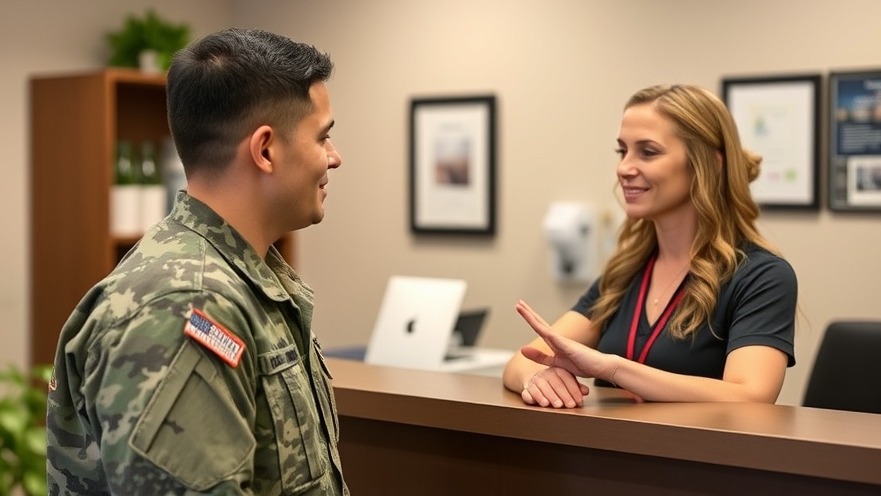
Military healthcare visit: Enlisted man consults receptionist at chiropractor office for pain management alternatives.


Reviving Chiropractic Care in the Military: A Step Towards Healthier Solutions

On September 10, 2025, the U.S. House of Representatives made a significant move towards enhancing healthcare options for military personnel by voting to restore chiropractic services at over a dozen military bases. This decision, spearheaded by Rep. Greg Steube (R-Fla.), addresses the arbitrary discontinuation of these services, which have shown to be effective in managing pain and improving overall health among active-duty members.

The Need for Non-Addictive Pain Management

The ongoing opioid crisis has prompted a reevaluation of pain management strategies within the military. The Defense Health Agency's (DHA) acknowledgment of this crisis highlights the importance of providing non-addictive alternatives such as chiropractic care. Chiropractic services, which offer musculoskeletal care without the risks associated with opioid use, are essential for members of the armed forces who often experience pain from injuries sustained during duty.

Understanding the Impact of Chiropractic Clinics

Reports indicate that military clinics offering chiropractic services have become invaluable to service members. These clinics manage hundreds of patients per month, delivering proven, cost-effective care tailored to address common musculoskeletal issues faced by military personnel. Such services not only aid in recovery but also play a crucial role in ensuring soldiers are fit for duty.

The Legacy of Chiropractic Care in the Military

The foundation for chiropractic services within military healthcare was established in 2001 under the Floyd D. Spence National Defense Authorization Act. The Steube amendment not only seeks to restore previously closed clinics but also proposes the inclusion of dedicated chiropractors in the General Schedule pay system, promoting the sustainability of chiropractic services within the military healthcare framework.

Research Favors Chiropractic's Role in Military Health

Evidence supporting chiropractic care has been bolstered through a substantial clinical trial published by JAMA Network Open in 2018. This landmark study showcased moderate improvements in low back pain intensity for active-duty personnel receiving chiropractic care alongside standard medical treatments. This research has convinced advocates that chiropractic care should be an integral part of multidisciplinary health recommendations for military members.

Economic Considerations: Cost-Effectiveness of Chiropractic Services

One of the compelling reasons for reinstating chiropractic care is its cost-effectiveness. Military health services are under constant scrutiny regarding budget allocation and expenditure. By providing non-drug pain management options, chiropractic care not only improves health outcomes but also potentially reduces costs associated with prescription medications and long-term disability claims.

The Path Forward: What This Means for Military Families

As the National Defense Authorization Act moves to the Senate for consideration, the American Chiropractic Association (ACA) is determined to advocate for the inclusion of chiropractic services in the final defense package. The ACA represents the voices of countless chiropractors and their patients whose health and well-being relied significantly on these services.

Why This Matters: The Value of Trust in Alternative Health

The restoration of chiropractic services in military settings resonates beyond just healthcare; it reflects a growing trust in alternative therapies. For active military personnel and their families, access to these services symbolizes a commitment to holistic health approaches that prioritize not only physical recovery but also overall well-being.

Your Voice Matters: Engage with Cross-Sectional Health Initiatives

The evolving landscape of healthcare encourages everyone in chiropractic and alternative health segments to advocate for accessible, well-rounded care. Remember, personal stories of resilience and healing can inspire a shift in healthcare approaches. Join in the conversation—share your experiences with chiropractic care and how it has transformed your or a service member's life.

As we await the final decisions from the Senate, let's stay informed and proactive regarding our health choices. Supporting the restoration of chiropractic services is not only an endorsement of natural healing practices; it is a step towards broader acceptance of holistic care options.


Chiropractic

23 Views

Write A Comment

*
*
Related Posts All Posts
02.10.2026

Elevate Your Chiropractic Practice: Use Monthly Research Briefs to Become the Community Expert

Update Transforming Perception Through Monthly Research Briefs In the evolving landscape of healthcare, chiropractors often straddle a line between skilled practitioners and public perception. The concept of a "chiropractor" frequently evokes notions of quick spinal adjustments, lacking the nuanced understanding of their comprehensive clinical capabilities. Monthly research briefs emerge as an innovative tool to change that narrative, positioning chiropractors not merely as service providers but as the go-to health experts in their communities. Building Trust with Evidence-Based Insights When chiropractors publish monthly research briefs translating the latest clinical studies into accessible language, they bridge the gap between perception and reality. By sharing evidence-based insights, practitioners not only elevate their credibility among potential patients but also cement their reputation as trusted resources for local physicians. This kind of proactive outreach engages healthcare professionals, offering them valuable knowledge that can change their approach towards referring patients to chiropractic care. Breaking Down Barriers: From Back-Crackers to Trusted Experts The transformation from "back-cracker" to credible practitioner involves demonstrating a sophisticated understanding of health issues that affect patients. The practice of disseminating insights into specific conditions—like cervicogenic headaches or lumbar disc herniation—illustrates a chiropractor's knowledge on complex topics that matter to patients and MDs alike. This not only reshapes how patients perceive chiropractic care but also signals to MDs that they’re dealing with an informed partner. Why Consistency Matters in Chiropractic Marketing Marketing a chiropractic practice is more than just filling up appointment slots; it is about cultivating an ongoing relationship based on trust and knowledge. Regularly sending out thoughtful, well-structured research briefs keeps practitioners top-of-mind for both patients and other healthcare providers. As noted in a recent study, consistent messaging enhances relationship-building within the medical community, fostering increased referrals. Actionable Steps to Implement Monthly Research Briefs Creating impactful research briefs involves understanding your audience—local physicians and patients—and tailoring your content accordingly. Start by selecting relevant studies that resonate with common health issues and clearly outline their implications for treatment. Ensure that the information is digestible, avoiding overly technical jargon while still highlighting the significant benefits of chiropractic care. By doing so, you invite further dialogue and questions, enriching the patient and physician experience alike. Engage Your Community with Regular Updates Ultimately, the goal is to position your chiropractic practice as a trusted health partner within the community. As you consistently provide research briefs, you empower both patients and referring doctors with knowledge that promotes understanding, informed decisions, and trust. This multi-faceted approach fosters an environment where chiropractic care is seen not only as valuable but essential for holistic health management. For chiropractors looking to enhance their practice through effective communication and relationship-building, implementing regular research briefs is a game changer. By showcasing your expertise and commitment to patient care, you can redefine your practice's reputation in the community—it’s time to be seen as the go-to chiropractor.

01.28.2026

Discover How ACA's New Leadership is Shaping the Future of Chiropractic Care

Update New Leadership Ushers in Hope for Chiropractors In a significant move for the chiropractic community, the American Chiropractic Association (ACA) recently elected Dr. Kris Anderson as president and Dr. Maithy Ta as vice president for the 2026-2027 term during its annual meeting in Washington, D.C. This transition in leadership not only marks a pivotal moment for the ACA but also highlights the importance of advocacy and support for chiropractic practices across the nation. Meet Kris Anderson and Maithy Ta Dr. Kris Anderson, hailing from Grand Forks, North Dakota, has been a dedicated member of the ACA Board for two years, serving as vice president last year. His extensive experience in community health settings is complemented by his role in the ACA Health Policy and Advocacy Committee, where he champions strategies that prioritize chiropractic care. Dr. Anderson's involvement with national committees, such as the American Medical Association Relative Value Scale Update Committee, indicates his commitment to enhancing the value and recognition of chiropractic practices in the healthcare ecosystem. Similarly, Dr. Maithy Ta, an influential figure in Kansas City, Missouri, brings her valuable expertise to the table. With a background in treating underserved populations, her leadership as chair of the Leadership Development Task Force reflects her dedication to fostering new talent within the profession. Dr. Ta’s active role in advocacy efforts aims to expand patient access to chiropractic care, which resonates deeply with the values held by many practitioners striving to make a difference in their communities. The Impact of Changing Leadership The elections of these two professionals signal a shift towards more inclusive and proactive approaches in chiropractic practice. Their goals align with the core mission of the ACA, which emphasizes collaboration with other health care professionals and lobbying for policies that support meaningful care. The integration of new leadership also presents opportunities for innovation in patient care and continued education, making it crucial for both chiropractors and patients to stay informed about new developments in the field. Why This Matters to Chiropractors and Patients For many chiropractors, the involvement of leaders like Dr. Anderson and Dr. Ta provides reassurance and hope. Their professional journeys illuminate the essence of the chiropractic community—a commitment to enhancing health through holistic approaches. Patients stand to benefit significantly from leadership that champions their access to chiropractic care, opening doors for comprehensive treatment solutions that prioritize overall well-being. Future Directions for Chiropractic Care The election of new leadership is more than just a change of guard; it represents a lens through which the future of chiropractic care can be viewed. With a focus on advocacy and developing next-generation leaders, patients can expect a more responsive healthcare framework. As Dr. Ta leads initiatives to empower early-career practitioners, the future of chiropractic is poised for advancements that will elevate care standards and methodologies. To maintain momentum, both chiropractors and patients should engage actively with the ACA’s initiatives, ensuring voices are heard and needs are met. This is an exciting time for the chiropractic field, and everyone is encouraged to participate in the ongoing dialogue about its direction and future. Taking Action: What Can You Do? As a chiropractor or patient, staying informed and involved is crucial. Joining the ACA community allows you to contribute to advocacy efforts that affect your practice and the care you receive. Share your experiences, support initiatives presented by new leaders, and collaborate with others to further the mission of chiropractic. Your participation is vital in shaping a healthier, more informed community.

11.02.2025

Discover How Authentic Conversations Can Boost Patient Compliance in Chiropractic Care

Update The Hidden Power of Authentic Conversations in Chiropractic Care In the realm of chiropractic practice, the significance of trust cannot be overstated. For many practitioners, the notion of 'success' traditionally revolves around patient numbers and income—a style rooted in volume-driven models of care. However, a growing number of chiropractors are recognizing that the true secret to patient compliance lies not in salesmanship or high-pressure tactics, but in authentic, meaningful conversations. Shifting Perspectives: From Success to Significance Chiropractor Jeffrey O’Guin shines a light on this transformative journey, sharing his evolution from a practice focused on numbers to one centered on patient significance. This crucial shift helped him realize that genuine care for patients leads not only to a higher patient retention rate but also to an influx of referrals. By nurturing a sense of importance for each individual patient, O’Guin discovered that patient compliance increases naturally when patients feel understood and valued. Communication Techniques That Make a Difference At the core of improved patient compliance lies effective communication. O’Guin’s experiences underline the effectiveness of approaches such as motivational interviewing, where practitioners establish a reciprocal dialogue that fosters a sense of collaboration. “Patients don’t need to be lectured; they need to be heard,” he emphasizes. This insight resonates deeply within the chiropractic community, suggesting that listening with curiosity can transform patient interactions. Trial of Care: Reducing Pressure One innovative approach O’Guin adopted is the concept of a “trial of care.” By suggesting that patients try a particular treatment for a brief period before committing to a long-term plan, he removes the pressure typically associated with initial consultations. “Let’s see how your body responds to this,” he offers, allowing patients to feel more in control and less anxious about their treatment journey. Setting Realistic Expectations Managing chronic conditions also requires a more realistic framing. Instead of promising patients a 'cure,' O’Guin advocates for transparency about what can realistically be achieved. By doing so, patients express gratitude rather than disappointment, as they appreciate the honesty and clarity about their health journey. This open communication fosters trust and encourages ongoing adherence to treatment plans. Confirming Understanding: Empowering Patients In a bid to enhance patient follow-through, O’Guin emphasizes the importance of confirmation. Instead of assuming comprehension after one explanation, he routinely checks in with, “Can you explain back to me what our plan looks like?” This approach empowers patients and solidifies their commitment to the suggested care, ensuring they remain engaged throughout their treatment. Utilizing Technology for Better Engagement Moving forward, leveraging technology to support patient education is another area where improvements can be made. O’Guin recommends video demonstrations; having patients record him explaining stretches or exercises allows them to revisit instructions later and reinforces their engagement at home. Following Up: A Simple Yet Effective Strategy Finally, the importance of follow-up cannot be dismissed. A quick message or video reminder not only demonstrates genuine concern but also reinforces the conversation about care, further facilitating patient adherence. Final Thoughts on Building Compliance While losing patients is an inevitable part of practice, the right mindset transforms these losses into opportunities for growth. The principles of open communication, genuine engagement, and patient empowerment echo through O’Guin's practice, illustrating that when patients feel seen and heard, compliance becomes a natural outcome. To all chiropractors, remember that the shift from transactional to relational practice models can elevate your healthcare vision. Rather than focusing solely on productivity, strive for meaningful interactions that resonate with your patients—authentic conversations hold the key to building lasting compliance. For those interested in enhancing their patient interactions, the time has come to embrace authenticity as more than just a buzzword. Engage, listen, and let your care speak volumes—both for your patients and your practice’s success.

Terms of Service

Privacy Policy

Core Modal Title

Sorry, no results found

You Might Find These Articles Interesting

T
Please Check Your Email
We Will Be Following Up Shortly
*
*
*
